
To Buy Zyban Online Visit Our Pharmacy ↓
 Starting Zyban: What to Expect Week by Week
Week One: Expect Jitters, Cravings and Hope
I remember the first morning after starting Zyban: a jittery chest, sudden cravings that felt louder than usual, and a small, stubborn spark of hope. Those early days can be a mix of physical restlessness and sharper urges to smoke. It helps to label sensations as withdrawal rather than failure, which reduces panic and keeps motivation intact. Simple rituals — water, fresh air, short walks — can blunt acute urges.
Expect energy dips and maybe mild insomnia, but also improved concentration after a few days. Track cravings and mood in a notebook and share patterns with your clinician if needed. Over-the-counter remedies, hydration, and meals stabilize blood sugar and ease symptoms. Remember that side effects often peak early and then fade; persistence and wins matter. Reach out to a friend or support group when urges spike — connection strengthens resolve.
| Symptom | Quick Tip |
|---|---|
| Jitters | Short walk, paced breathing |
| Cravings | Delay 10 minutes, drink water |
Week Two: Sleep Changes, Focus, Mood Swings

The second week often brings disrupted nights and strange dreams as your body adjusts to medication. Many notice lighter sleep cycles, occasional insomnia, or vivid dreams — a common response when starting zyban during treatment.
Cognitive shifts are common: some people report improved focus and fewer distractions, while others feel mental fog. These fluctuations reflect changing brain chemistry and should stabilize as dosage and timing settle with your routine soon.
Mood swings and irritability can surface, surprising even seasoned quitters. Allowing yourself small breaks, honest check-ins with friends, and brief exercise can reduce intensity. If extremes persist, contact your clinician for advice about adjustments immediately.
Track patterns to identify triggers and sleep hygiene to improve rest: dim lights before bed, avoid late caffeine, and stick to consistent medication timing. Small routines shorten adjustment and help sustain motivation toward quitting success.
Week Three: Cravings Fade, Energy Often Returns
By the third week you often feel a subtle shift: urges that felt urgent in early days surface less frequently, and small windows of normalcy return. Mornings may feel brighter—some people report more energy and clearer thinking after a couple of weeks on zyban—so you can tackle routines that were harder before. That newfound stamina can be motivating, but it’s normal for progress to come in uneven steps; celebrate small wins and expect occasional setbacks.
Physiologically, zyban’s effect on dopamine and norepinephrine helps blunt cravings and lifts low mood for many people, though results vary. Continue taking medication as prescribed and pair it with practical strategies—short walks, distraction techniques, and support from friends or groups—to reinforce gains. If intense cravings, mood drops, or new symptoms persist, contact your clinician; adjustments are sometimes needed to keep momentum toward quitting and recovery.
Week Four: Side Effects Settle or Linger
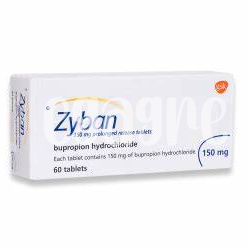
By the fourth week, people find initial shocks have either calmed or continue to nag. Afternoon nausea may ease, but occasional headaches or vivid dreams sometimes persist. Remember to track symptoms and tell your prescriber.
Medication like zyban can be the reason for mood swings or sleep disruption; those effects often soften as blood levels stabilize. If side effects worsen or daily functioning suffers, call your clinician—adjusting dose or timing sometimes makes a meaningful difference.
Support from friends, journaling, and gentle exercise help bridge rough days while your body adapts. Keep appointments, avoid alcohol or other stimulants that can amplify reactions. Many people reach a steadier place after, but stay vigilant and patient over time.
Week Five: Coping Strategies for Tough Moments
By week five you’ll likely face sudden urges. Remember they are temporary; zyban starts to steady cravings, but old habits trigger strong responses. Notice patterns without judgement.
Create quick coping tools: a walking route, a short breathing routine, or a distraction list. Practice them so when stress hits you act before the craving grows louder.
Talk openly with friends, or a counselor, about slip fears; external support reduces isolation. Track successes small and large to build momentum—celebration matters as much as vigilance.
If side effects or mood dips complicate things, contact your prescriber early before quitting zyban abruptly. Adjustments, timing, or counseling often turn a fragile week into firm progress.
| Tip | Why |
|---|---|
| Breath | Calm |
| Delay | Urge |
Week Six: Building Routines to Prevent Relapse
By week six you’ve felt highs and lows; now routines act as steady scaffolding. Small rituals—consistent wake times, brief walks, water after cravings—ground you and reduce impulsive urges.
Pair medication timing with daily cues: pill with breakfast, note on mirror. Linking Zyban to an existing habit improves adherence and makes skipping doses less likely.
Practice brief coping rehearsals: deep breaths, postponement strategies, and calling a friend. Repeating responses builds automatic resistance to cravings.
Celebrate wins and plan rewards. Stability grows from predictable patterns, social support and brain relearning non-smoking routines. FDA prescribing information for Zyban NHS: Bupropion (for quitting smoking)