
To Buy Zantac Online Visit Our Pharmacy ↓
 Ranitidine Vs Alternatives: Choosing Safer Heartburn Relief
Why Ranitidine Fell Out of Favor: Ndma Concerns
People trusted a familiar pill for sudden reflux until safety tests raised alarms. Independent labs and regulators detected NDMA—an impurity linked to cancer risk—shifting perception overnight.
Scientists traced NDMA formation to chemical instability and storage conditions, not always obvious at manufacture. This undermined confidence and prompted widespread recalls and increased scrutiny of similar drugs.
Clinicians advised patients to stop affected lots and consider alternatives while investigations continued. The episode emphasized vigilant testing, transparent reporting, and choosing treatments with clearer safety records in consultation with a provider and monitoring ongoing outcomes.
Regulatory Recalls and Global Safety Actions Explained
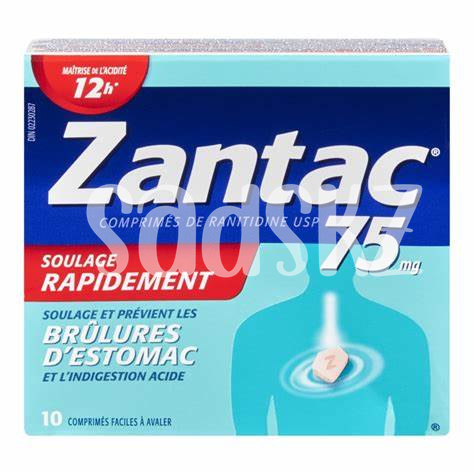
In early 2019, patients and doctors were jolted when routine testing found a probable carcinogen in ranitidine products, including popular brand zantac. Regulators worldwide rapidly reviewed data, and safety agencies issued recalls, halted sales, and demanded manufacturers investigate sources of N‑nitrosodimethylamine (NDMA). The sudden shift felt chaotic to users who relied on these medicines for daily relief, and many pharmacies pulled remaining stock as precaution.
Health authorities coordinated recalls, set stricter impurity testing thresholds, and established pathways for product withdrawals and replacements. Some countries authorized temporary imports of alternative drugs while others strengthened pharmacovigilance to track long-term outcomes. Guidance emphasized informed choice: patients should return suspect medication, consult clinicians about safer options, and report side effects. The episode underscored how science, regulation, and clear communication intersect to protect public health while manufacturers reformulated and reassessed supply chains and security measures.
Common Otc Alternatives: Ppis, H2 Blockers, Antacids Compared
When heartburn flares, people choose between fast-acting antacids, middle-ground H2 blockers, or longer-lasting PPIs. Antacids neutralize acid quickly but wear off; H2 blockers like zantac reduce acid production for several hours.
PPIs suppress acid more powerfully and are best for frequent reflux, but they take days to reach full effect and carry longer-term risks if used continuously.
Side effects differ: antacids can cause constipation or diarrhea; H2 blockers may lead to headache or tolerance; PPIs link to nutrient absorption and infection risk with prolonged use.
Choose based on frequency, severity, interaction profile and doctor's advice: occasional antacids, intermittent H2 blockers, or targeted PPI therapy supervised for chronic GERD provides the safest path forward with follow-up.
Benefits and Risks of Proton Pump Inhibitors Long-term
Many people who once relied on zantac found quick relief when switching to proton pump inhibitors (PPIs). These drugs can dramatically reduce acid production, relieve heartburn, and promote healing of erosive esophagitis; once-daily dosing often restores sleep and daily functioning within days to weeks.
But benefits come with trade-offs: long-term PPI use has been associated with increased risk of Clostridioides difficile infection, community-acquired pneumonia, magnesium and B12 deficiencies, bone fractures, and possible kidney disease. Rebound acid hypersecretion can complicate stopping therapy, so tapering may be needed.
Work with your clinician to balance relief and safety: aim for the lowest effective dose, time-limited courses, and periodic review of ongoing need. If symptoms return, consider stepping down to H2 blockers or antacids, combining medication with weight loss, avoiding late meals and alcohol, and monitoring labs when therapy is prolonged, including bone health.
Natural Remedies and Lifestyle Tweaks That Actually Help
I used to reach for zantac after late dinners, but simple shifts made the evenings livable. Small choices—slower meals, smaller portions, and avoiding spicy or fatty foods—can quiet reflux before drugs are needed.
Raise your bed’s head by six to eight inches, chew sugar-free gum to boost saliva, and wait two to three hours after eating to lie down. Losing excess weight and quitting smoking cut pressure on the stomach. Herbal teas like ginger or chamomile sometimes soothe, though effects vary.
Track triggers, journal symptoms, and consult your provider promptly.
How to Choose Safer Heartburn Relief with Provider
Begin consultations by describing when heartburn started, triggers, and which medicines you’ve tried. Clear details help providers distinguish reflux from other causes. Also note OTC doses and herbal use.
Ask about alternatives based on your health: kidney, liver, pregnancy, and other medications can change safety profiles and dosing recommendations. Discuss short trials, step-down plans, and monitoring tests regularly.
If you need acid suppression, weigh short-term antacids or H2 blockers against PPIs for chronic symptoms; ask about lowest effective dose and stopping strategies and discuss rebound acidity risk.
Request clear follow-up: symptom goals, when to test for complications, and when to try lifestyle first. Shared decisions reduce risk and improve long-term outcomes with periodic medication reviews. FDA: Ranitidine and NDMA MedlinePlus: Ranitidine (Zantac)