
To Buy Tetracycline Online Visit Our Pharmacy ↓
 Tetracycline for Acne: Effectiveness and Alternatives
How Tetracycline Works Against Stubborn Inflammatory Pimples
Imagine waking to the same painful, red bump that refuses creams; tetracycline can feel like a strategic ally. It works beyond killing bacteria — it quiets the immune overreaction and reduces chemical signals that recruit inflammatory cells to hair follicles, shrinking swollen nodules and easing tenderness.
Clinically, these effects lower the severity and frequency of inflamed lesions over weeks. Tetracyclines inhibit bacterial protein synthesis and blunt enzymes that perpetuate tissue damage, so pustules and cysts respond when combined with good skin care and topical agents.
Expect noticeable improvement after six to twelve weeks, but full benefit can take longer; coordination with a clinician ensures correct dosing and monitoring. Because tetracyclines modulate inflammation rather than cure acne instantly, patience, sun protection, and adherence improve outcomes while minimizing side effects and resistance risk. Ask your provider about alternatives, monitoring, and scheduled follow-up.
| Action | Result |
|---|---|
| Inhibits bacterial protein synthesis | Reduces bacterial load |
| Anti-inflammatory effects | Decreases swelling and pain |
| MMP inhibition | Limits tissue breakdown |
| Clinical timeframe | Noticeable improvement in weeks |
Clinical Effectiveness: What Studies Actually Reveal
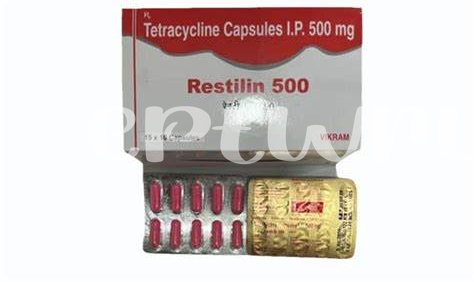
Clinical trials have tested tetracycline for moderate-to-severe inflammatory acne, showing meaningful reductions in lesion counts within weeks. Randomized studies and meta-analyses report faster improvement versus placebo, especially for nodulocystic presentations. Benefits are greatest when systemic therapy is paired with topical retinoids or benzoyl peroxide.
Magnitude varies: many trials document 50–80% reductions in inflammatory lesions over two to three months, but response is individual. Some head-to-head studies show tetracycline similar to doxycycline for efficacy, though different dosing and tolerability can influence choice. Combination regimens shorten time to clear skin.
Long-term benefits are tempered by relapse after stopping antibiotics, and trials emphasize limited duration to reduce resistance. Clinicians interpret study data alongside safety signals and patient preferences; shared decision-making helps select candidates likely to gain significant, sustained improvement while minimizing antibiotic exposure and preserving future treatment options and improving long-term outcomes overall.
Common Side Effects and Long-term Safety Considerations
When starting tetracycline, patients often report mild, predictable effects: gastrointestinal upset, photosensitivity, and occasional yeast overgrowth. These typically ease with dose adjustments or supportive measures, but vivid examples—missed sunscreen leading to a fierce sunburn—help readers grasp risks. Rarely, more serious problems like esophageal irritation or intracranial hypertension demand prompt attention and discontinuation.
Long-term use raises additional concerns: tooth discoloration in children, potential liver enzyme changes, and impacts on the gut microbiome that may persist after treatment. Regular lab checks, avoiding use in pregnancy and childhood, and limiting duration reduce harm. Discussing risk–benefit with a clinician ensures safe, tailored care, and pairing therapy with non-antibiotic strategies can minimize cumulative exposure over time and meaningfully improve outcomes.
Resistance Risk: Bacteria Adaptation and Treatment Failure
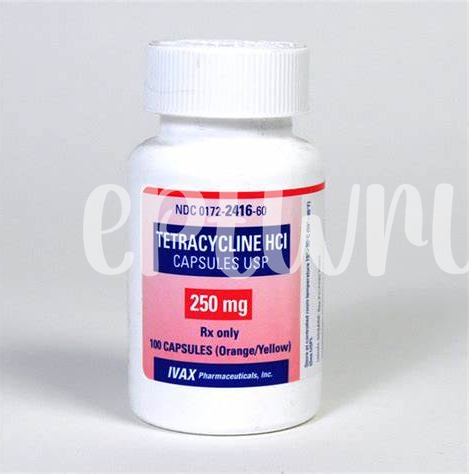
Clinically, tetracycline often calms inflamed nodules quickly; however, ongoing exposure selects resistant microbes, which proliferate and gradually undermine treatment efficacy on both patients and community health over months and years.
On a microscopic stage, genes shuffle via plasmids and mutations. Efflux pumps, target modifications, and biofilm shelter all undermine antibiotic action, making once-simple regimens fail unpredictably over weeks or months.
Clinicians balance symptom relief and stewardship: limit duration, use combination topical therapies, monitor response, and pivot to non-antibiotic or hormonal options when resistance threatens control to preserve tetracycline long-term efficacy.
Practical Dosing, Duration, and Real-world Adherence Tips
Beginning a course can feel daunting, yet clear guidance simplifies it. For stubborn inflammatory acne many doctors prescribe tetracycline antibiotics at modest doses, and individualized discussions about pregnancy, allergies, and other drugs set safe expectations with regular review.
Expect improvement only after several weeks; most courses last six to twelve weeks with scheduled reassessment. Clinicians avoid indefinite antibiotic use, preferring transition to topical maintenance or alternative therapies when possible and reduce resistance risk.
Simple habits ease adherence: take doses at the same time daily, use alarms/apps, avoid dairy, iron or antacids near dosing, limit sun exposure, and discuss missed doses with your provider.
| Dose | Duration |
|---|---|
| Typical 100 to 500 mg | Usually six to twelve weeks |
Safer Alternatives: Topical, Hormonal, and Non-antibiotic Options
For many people, topical options provide targeted control: benzoyl peroxide cuts bacteria and resistance risk, while topical retinoids normalize follicles and calm inflammation.
Hormonal therapies, like combined oral contraceptives or spironolactone, work well for acne driven by androgens, often reducing nodules, improving scarring without antibiotics.
Non-antibiotic options include azelaic acid, niacinamide, chemical peels, and light-based procedures; these can be combined for stubborn inflammatory lesions, and topical anti-inflammatories aid healing.
Discuss skin type, pregnancy plans, and side effects with a clinician to tailor safer, effective regimens and avoid unnecessary antibiotic exposure. PubChem - Tetracycline MedlinePlus - Tetracycline