
To Buy Lexapro Online Visit Our Pharmacy ↓
 Tapering Off Lexapro: Strategies and Precautions
Recognizing Withdrawal Symptoms and Early Warning Signs
I remember the first time I tapered: mornings felt like static and small shocks in my head, and simple moods swung without warning. That narrative helps explain why paying attention to subtle changes — dizziness, insomnia, irritability, brain zaps, or flu-like aches — matters. Keep a symptom diary and share patterns with your clinician; small signals often preceed bigger shifts. 🧠⚠️
Track severity, timing, and triggers; note if symptoms are constant or come and go. Ask for longer intervals between reductions or a pause if multiple new symptoms occassionally appear. Use calm breathing, sleep hygiene, light activity, and hydration to steady the body while you consult your prescriber. Faster recovery is more likely when changes are noticed early and addressed with support.
| Sign | Example | Notes |
|---|---|---|
| Brain zaps | Brief jolts | Electric sensation in head |
| Irritability | Mood swings | Often brief and variable sometimes |
Creating a Personalized Gradual Tapering Plan
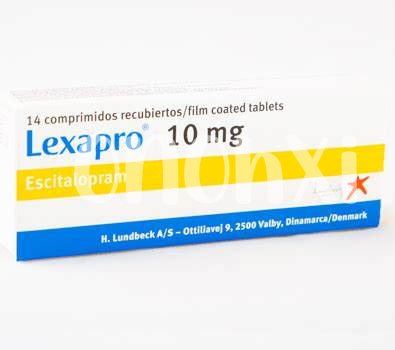
Start with a gentle story: a patient eased off lexapro by mapping small steps, logging mood and sleep, and setting clear goals with their doctor. This plan used measurable check-ins, flexibility for setbacks, and clear stop-points — creating confidence and reducing anxiety for both patient and clinician. 😊
Teh taper favored 10% or 5–10 mg decrements over weeks, with patient-led pacing, pill-splitting or liquid formulations from a compounding pharmacy. Track symptoms daily, lean on sleep, exercise, hydration, and therapy. If severe withdrawal appears, pause or re-escalate and consult prescriber immediately. 🧭
When to Consult Your Prescriber and Therapist
A gentle check-in with your prescriber can prevent setbacks when tapering off lexapro; report new or worsening symptoms, sleep changes, dizziness, or mood swings so small adjustments are possible. Trust your observations, ask about timing, lab tests, and red flags, and schedule follow-ups promptly. 🩺
Reach out sooner for severe withdrawal, suicidal thoughts, unmanageable anxiety, or if life stressors shift; don't wait untill problems escalate. Bring a concise list of meds and doses to appointments, involve your therapist for coping plans, and encourage clear communication between providers to reduce relapse risk. 💬
Managing Side Effects with Lifestyle Adjustments
When tapering off lexapro, small daily rituals can become anchors. A warm morning stretch, a glass of water with lemon, and a short walk help ground you and signal your brain that changes are gentle, not abrupt.
Mindful breathing and sleep hygiene reduce dizziness, insomnia, and mood swings. Try a 10-minute breathing practice before bed, limit screens, and keep a consistent schedule to support neurochemical rebalancing during tapering.
Nutrition plays a role: stabilize blood sugar with regular meals, include omega-3 rich fish, nuts, and leafy greens, and stay hydrated. Caffeine and alcohol can worsen withdrawal, so consider cutting back slowly. 😊
Move gently: short walks, light yoga or excercise boost mood and circulation, easing headaches and fatigue. Keep a symptom journal, celebrate small wins, and reach out to friends or a therapist when distress spikes for extra support. 🌿 🙂
Safe Medication Substitutions and Dose Reduction Options
I remember the tiny relief when my doctor suggested slower steps: tapering lexapro can be reframed as dose choreography, where microcuts and formulation changes smooth the rhythm and lower shock to the nervous system 💊 often helpful indeed.
Typical strategies include switching to a longer‑acting antidepressant to flatten peaks, using compound pharmacies for precise microdoses, or liquid forms that permit 0.5 mg adjustments; each change needs clinician oversight and individualization ⚖️ and close follow up regularly.
Keep a symptom log, prioritize sleep and hydration, and have a plan to pause or reverse steps if withdrawal signs intensify; contact your prescriber promptly to Recieve.
| Approach | Benefit |
|---|---|
| Slow reduction | Lower risk |
| Cross taper | Smoother transition |
| Liquid | Microdose |
Relapse Prevention and Long-term Maintenance Strategies
When people finish a taper, they often feel vulnerable; one person I knew kept a mood journal to spot early changes. Consistent check-ins with yourself and allies create a safety net, guiding timely interventions. 🧭
Relapse plans should include clear symptom thresholds, contact names, and stepwise actions like temporary dose adjustments or therapy intensification. Teh plan is simplest when shared with prescribers and friends; communication lowers panic risk. 🌱
Lifestyle routines—sleep schedules, steady exercise, and mindfulness—buffer stress and reduce relapse odds. Occassionally setbacks occur; treat them as data, not failure. Long-term therapy checkups help spot creeping symptoms early and adjust care, and peer support helps.
Medication review every few months, cautious reintroduction plans, and bolstering coping skills maintain gains. Celebrate small wins, keep realistic expectations, and involve clinicians if warning signs reappear—early action prevents bigger setbacks and sustains recovery consistently. Mayo Clinic: Escitalopram NCBI: Antidepressant discontinuation review