
To Buy Iverheal Online Visit Our Pharmacy ↓
 Iverheal Safety: Side Effects and Precautions Explained
Common and Uncommon Iverheal Side Effects Explained
Imagine taking a new medication and noticing mild dizziness or an upset stomach; these are among the typical reactions people report with Iverheal. Most symptoms—nausea, headache, transient fatigue and skin rash—are mild and resolve without treatment, but keeping a symptom diary helps you track patterns and report concerns to your clinician.
Less common effects include neurological signs, liver enzyme changes and severe allergic responses that need urgent care. If you experience high fever, jaundice, sudden swelling or persistent confusion, stop the drug and seek immediate medical attention to prevent complications.
| Common | Uncommon |
|---|---|
| Nausea, headache, dizziness, rash | Neurological symptoms, liver enzyme rise, severe allergy |
Who Should Avoid Iverheal: Risk Factor Overview
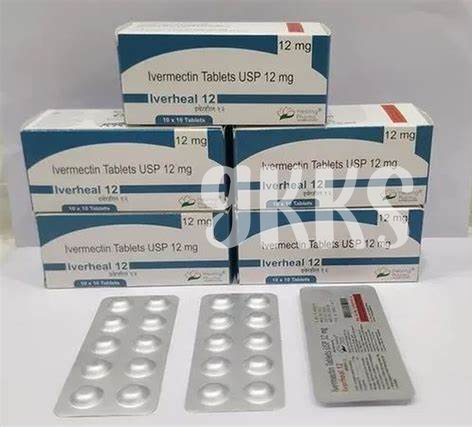
A patient remembers the warning label as a whisper: severe liver disease, known allergy to ivermectin, and certain neurological conditions raise concerns.
Pregnant or breastfeeding people should consult clinicians before considering iverheal; fetal and neonatal risks are unclear and must be weighed carefully individually.
Elderly patients and those with compromised immunity may face higher adverse event rates; drug-drug interactions, especially with anticoagulants, demand vigilant review and monitoring.
Children under recommended ages, people with severe malnutrition, or anyone uncertain about dosing should talk to a provider before using iverheal for guidance.
Drug Interactions and Safety: What to Watch
When you first consider taking a new treatment, imagine your body as a crowded stage where medicines perform together and sometimes clash. Communicating with your clinician about all prescriptions and supplements prevents unplanned encounters daily.
Certain agents, especially strong CYP3A4 inhibitors, anticoagulants and antiepileptics, can alter drug levels and raise toxicity risk. Ask whether iverheal metabolism might be affected, and review herbals like St. John's wort, grapefruit products and vitamins.
Timing and dosing adjustments can mitigate interactions; spacing medicines or monitoring blood tests often prevents harm. Tell pharmacists about liver or kidney conditions, avoid self-medicating, and carry an updated medication list every visit for safety.
If unusual symptoms, rapid heartbeat, severe dizziness or sudden bleeding occur, seek immediate care and mention recent prescriptions. Regularly report side effects to your provider so dosing can be tailored and risks minimized for review.
Dosage Guidance and Mistake Prevention Tips

Think of taking medication as following a map: accurate doses and timing keep you on course. For iverheal, always confirm the prescribed milligram strength and follow the exact schedule your clinician sets. Avoid splitting tablets unless the product is scored and your prescriber agrees, and never double up after a missed dose without advice.
Common errors include self-adjusting dose based on symptoms, using leftover medicine, or combining treatments without consultation. Keep a simple log or set reminders to reduce mistakes. Store medications in their original packaging to prevent confusion, and dispose of expired or unused portions safely to avoid accidental ingestion by others.
Before starting, tell clinicians about allergies, liver disease, or other medications you take so they can check for interactions. If instructions are unclear, ask for clarification instead of guessing; clear communication helps prevent harm and ensure safety.
Recognizing Severe Reactions: When to Seek Help
You might notice a strange, sudden change after taking iverheal: breathing tightness, face or throat swelling, widespread hives, dizziness, fainting, high fever, or seizures signal a severe allergic or toxic reaction. If symptoms escalate rapidly—trouble breathing, chest pain, sudden confusion, or loss of consciousness—stop the medication and get emergency medical help immediately. Trust urgent instincts; delays can worsen outcomes and seek help promptly.
Learn to recognize red flags and act decisively: document timing of symptoms, stop further doses, and have someone transport you or call emergency services if signs worsen. Use the quick reference below to guide immediate decisions.
| Sign | Action |
|---|---|
| Breathing trouble | Call ER |
| Facial swelling | Emergency care |
| High fever | Seek immediate help |
Safe Use during Pregnancy and Breastfeeding Considerations
Pregnancy alters drug handling, and for this reason pregnant people need extra caution. Human data on ivermectin are limited; animal studies reported fetal harm at high doses. Most guidelines therefore recommend avoiding ivermectin during pregnancy unless a specialist judges that benefits clearly outweigh potential risks.
Breastfeeding also raises questions: ivermectin is excreted in milk and infant exposure is possible. Limited clinical reports suggest low infant risk but evidence is insufficient. When treatment is necessary, clinicians balance maternal benefit, consider alternatives like topical therapies, and monitor exposed infants for sedation or feeding problems.
Always discuss options with your obstetrician or pediatrician, avoid self-prescribing, and report any unexpected symptoms promptly. Emergency care is required for severe infant signs such as breathing difficulty, persistent lethargy, or poor feeding. Reliable guidance can be found from public health agencies and specialist clinicians for individualized advice. CDC - Scabies treatment FDA - Ivermectin safety