
To Buy Clonidine Online Visit Our Pharmacy ↓
 Clonidine Drug Interactions: Medications to Watch for
Dangerous Combinations with Other Antihypertensive Medications
Pairing clonidine with other blood pressure drugs can feel like a balancing act; unintended combined effects often amplify hypotension, causing dizziness, fainting, or falls, especially in older adults and hospitalization.
Dose adjustments should be gradual, and clinicians monitor heart rate and orthostatic signs. Sudden overlaps with ACE inhibitors, ARBs, or diuretics increase risk; communication between prescribers is crucial and patients.
Patients should carry a medication list, report lightheadedness, and avoid self-adjusting regimens. Pharmacists can flag dangerous combinations and advise safer timing or alternative agents to reduce adverse events and hospitalizations.
Cns Depressants Causing Sedation and Respiratory Depression

A patient recounts falling into an unusually deep sleep after mixing a prescribed sedative with clonidine, waking frightened and short of breath. That lived experience illustrates how combining central-acting agents can turn ordinary drowsiness into a dangerous loss of drive to breathe. Even therapeutic doses may depress respiration.
Pharmacologically, these drugs additively depress brainstem respiratory centers and cortical arousal, especially in older adults or those with lung disease. Common culprits include benzodiazepines, nonbenzodiazepine hypnotics, certain antipsychotics, and heavy alcohol use; the risk escalates with higher doses, rapid titration, or impaired metabolism. Dose timing often matters.
Clinicians should counsel patients to avoid coadministration when possible, use the lowest effective doses, and observe closely for somnolence, shallow breathing, or confusion. Keep naloxone available. If breathing slows or consciousness wanes, seek emergency care immediately and review all prescriptions and supplements with the prescriber.
Antidepressants, Especially Tcas and Maois, Can Alter Effects
Many tricyclic agents interfere with the blood-pressure–lowering actions of clonidine by opposing central alpha‑2 signalling and increasing noradrenergic tone. This interaction can blunt therapeutic response, prompt dose escalation, or precipitate rebound hypertension if clonidine is stopped suddenly. Patients often notice dizziness or palpitations; clinicians should anticipate altered efficacy and check blood pressure and heart rate more frequently after starting or changing a TCA.
Monoamine oxidase inhibitors can produce exaggerated and unpredictable blood-pressure responses when given with agents that alter sympathetic tone. Co-administration may lead to wide swings in pressure or orthostatic symptoms; careful titration, frequent vital-sign checks, and medication review are essential. When changes are needed, tapering slowly and coordinating between prescribers reduces risks significantly.
Opioids Appreciably Increase Risk of Life-threatening Respiratory Depression
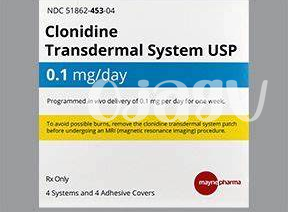
A calm clinic visit turned urgent when a patient given an opioid plus clonidine became profoundly drowsy and breathing slowed. The combination produces additive central respiratory depression and reduced arousal, risking hypoventilation, hypoxia, and cardiac instability—effects amplified by age, sleep apnea, or organ dysfunction.
Clinicians should use extreme caution: avoid co-prescribing when possible, use lower doses, monitor respiration closely, and educate patients and caregivers about signs of trouble. In emergencies, administer naloxone and provide advanced airway support. Coordinate care and review all sedating drugs to minimize catastrophic outcomes with specialists.
Stimulant Medications May Precipitate Rebound Hypertension on Discontinuation
Patients often juggle ADHD stimulants and clonidine, and the clinical choreography can be treacherous. When a stimulant is stopped suddenly, sympathetic tone can surge and unmask rebound hypertension that clonidine had been suppressing; heart rate and BP may spike, producing headache, anxiety and blurred vision. Clinicians should anticipate volatility rather than assume steady control.
Gradual tapering of stimulants and careful coordination with tapering or dose adjustment of clonidine reduces risk. Monitor blood pressure closely during transitions, educate patients about warning symptoms, and plan follow-up within days of discontinuation. In complex cases, collaboration with a cardiologist or hypertension clinic can prevent dangerous spikes and ensure safe, individualized management. Avoid abrupt medication changes without prior clinician discussion.
| Medication | Concern |
|---|---|
| Stimulants | Withdrawal-related BP spike |
| Clonidine | Rebound hypertension if mismanaged |
Herbal Supplements and Otc Drugs That Potentiate Hypotension
A stroll through the supplement aisle can hide risky combinations: many herbal remedies and over‑the‑counter natural products have mild blood‑pressure lowering effects that can amplify clonidine’s action. Hawthorn, garlic, ginkgo, and high‑dose omega‑3s are commonly mentioned; certain botanical vasodilators or concentrated “performance” or weight‑loss blends may unpredictably deepen hypotension, causing dizziness, weakness, or syncope when combined.
Patients should read labels and tell clinicians about every supplement and OTC medication; physicians can assess interaction risk and adjust clonidine dosing or monitoring accordingly. If lightheadedness, fainting, or prolonged fatigue occurs, sit or lie down and seek prompt advice. Never stop clonidine abruptly; discuss alternatives and timing of supplements with your healthcare team. Check reputable sources for guidance. DailyMed: Clonidine PubMed: Clonidine