
To Buy Clomid Online Visit Our Pharmacy ↓
 Clomid Vs Letrozole: Choosing the Right Ovulation Drug
How Each Drug Stimulates Ovulation Differently
Clomid acts as an estrogen receptor blocker in the brain, tricking the hypothalamus into raising gonadotropin release. That surge in FSH stimulates follicles, often producing multiple eggs. Patients may experience estrogen feedback and thicker follicles.
Letrozole inhibits aromatase, lowering estrogen synthesis and prompting the pituitary to raise FSH too. Its effect is more ovarian-focused and shorter-lived, producing fewer, more mature follicles and a more favorable uterine lining.
Clinicians choose based on follicle number, endometrial health, and side-effect profiles; the drugs share an aim—boosting FSH—but differ in mechanism, timing, and consequences.
| Drug | Primary action |
|---|---|
| Clomid (clomiphene) | Estrogen receptor antagonism at hypothalamus — raises FSH/LH |
| Letrozole | Aromatase inhibition — lowers estrogen synthesis, increases FSH |
Effectiveness Rates: Comparing Pregnancy Success Outcomes
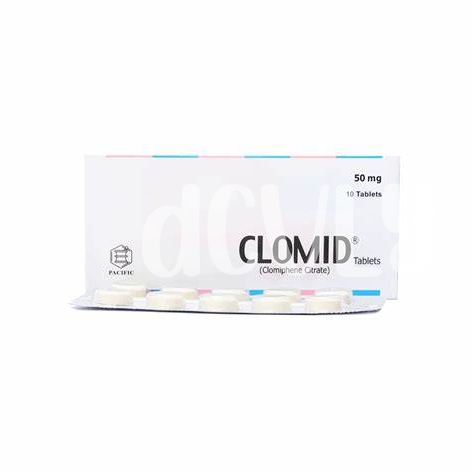
When couples weigh clomid against aromatase inhibitors, the story mixes hope and numbers. Clomid triggers ovulation in many cycles, but per-cycle pregnancy rates often trail those reported with letrozole; in women with PCOS, letrozole has shown higher live-birth rates. Individual response—age, ovarian reserve, diagnosis—shapes outcomes, so headline statistics are a starting point, not a prescription.
Clinicians balance per-cycle conception chance, cumulative pregnancy over multiple cycles, time-to-pregnancy, and cost when choosing therapy. For some patients, clomid remains effective and more familiar; for others, letrozole’s superior odds in certain populations justify trying an alternative. Shared decision-making, realistic expectations, and follow-up monitoring maximize the chance that the chosen medication translates into a healthy pregnancy. Discuss preferences with clinicians.
Side Effects, Risks, and Long Term Considerations
Many women notice immediate symptoms: hot flashes, mood swings, fatigue, and bloating during ovulation induction. Clomid may also cause breast tenderness and spotting, so careful symptom logging supports safer, individualized care throughout every treatment cycle.
More serious risks include ovarian hyperstimulation, especially with aggressive stimulation, and an increased chance of twins. Rare clotting events and changes in endometrial thickness require ultrasound monitoring and individualized dose adjustments over multiple consecutive cycles.
Long-term data are mixed; repeated cycles may have uncertain impacts on ovarian reserve. Vision disturbances linked to clomid are rare but reversible. Discuss cumulative exposure and alternative therapies with your specialist to weigh potential risks.
Emotional toll and financial burden influence decisions; shared decision-making ensures values and fertility goals guide therapy. Regular follow-up, lifestyle optimization, and counseling improve safety and patient satisfaction during treatment and reduce long-term adverse health outcomes.
Dosing Schedules, Monitoring, and Treatment Practicalities

A typical cycle begins with pills taken early in the menstrual cycle, often days 3–7, and the rhythm becomes part of a hopeful routine; clomid is commonly prescribed this way and usually given for five days, with clinicians adjusting timing for each patient.
Monitoring combines ultrasound and blood tests to track follicle growth and hormone levels — this lets doctors time intercourse or insemination, change doses, or detect risks like ovarian hyperstimulation; patients often find the appointments reassuring though they add logistical complexity.
Practical considerations include side-effect management, understanding when multiple cycles are reasonable, cost of ultrasounds, and clear communication about next steps; good planning and realistic expectations make treatment less stressful and more effective.
Patient Profiles: Who Benefits from Each Medication
A hopeful patient with irregular cycles finds clarity when a clinician matches therapy to cause. Those with polycystic ovary features often respond better to letrozole's estrogen‑lowering mechanism, while people with unexplained anovulation or prior success on clomid may prefer the classic approach.
Shared counseling addresses risks, prior response, and fertility goals to guide selection. Clinicians also weigh age, BMI, and ovarian reserve to personalize dosing and monitoring.
| Profile | Best fit |
|---|---|
| PCOS | Letrozole preferred |
| Unexplained | clomid often effective |
| Low ovarian reserve | may need advanced care |
| Prior success | guides repeat choice sometimes |
Cost, Accessibility, and Real World Patient Experiences
Clinics and pharmacies often steer patients toward generics to lower out‑of‑pocket costs, while insurance coverage varies widely; some find letrozole cheaper because it’s prescribed off‑label, others pay more for branded clomiphene. Accessibility improves with telemedicine and mail‑order pharmacies, reducing travel and timing barriers and waitlists.
Personal stories reveal tradeoffs: one woman praised letrozole’s shorter side‑effect window, another switched back to clomiphene after repeated cycles. Online forums and groups share coupons, pharmacy substitutions and monitoring tips, yet clinicians stress individualized plans; experiences regularly highlight flexibility, persistence and clear communication with teams.