
To Buy Ampicillin Online Visit Our Pharmacy ↓
 Ampicillin in Pediatrics: Safety and Prescribing Considerations
Why Ampicillin Still Matters in Children
Clinicians often reach for ampicillin because it combines broad Gram-positive coverage with a long safety record in pediatrics. Stories from neonatal units remind us how timely therapy can prevent progression of sepsis, and its predictable pharmacology aids dosing decisions across ages. Familiarity supports confidence in urgent care.
In outpatient settings, ampicillin remains useful for targeted therapy against susceptible Enterococcus and Listeria, and as an option when narrow-spectrum choices are appropriate. Resistance patterns require vigilance, but stewardship-guided use preserves efficacy and minimizes collateral damage, making it an asset rather than a fallback.
Practical familiarity, clear dosing algorithms, and monitoring ensure ampicillin remains a safe, practical tool across pediatric care settings, and family education.
| Benefit | Note |
| Coverage | Gram-positive |
| Use | Neonates to adolescents |
Dosing by Age Neonates to Adolescents Explained
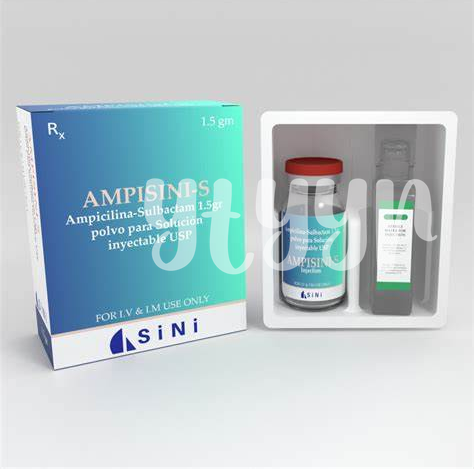
Prescribers should think in mg/kg terms: newborns and preterm infants need careful titration because immature renal clearance prolongs ampicillin exposure. Typical neonatal regimens rely on lower-frequency, weight-based doses with intervals lengthened in the first days of life; dosing is individualized by gestational and postnatal age and by infection severity. IV administration is preferred for sepsis and meningitis.
Beyond the neonatal period, infants and children commonly receive more frequent weight-based dosing (multiple doses per day) to maintain therapeutic levels, while adolescents transition toward standard adult doses once physiological maturity and weight permit. Always verify local guidelines, adjust for renal function, and safely convert to oral therapy when clinically appropriate to support stewardship and minimize hospital stay.
Recognizing and Managing Ampicillin Allergic Reactions
A worried parent recalls a sudden rash after ampicillin; clinicians should listen carefully, because the timing and symptom pattern help distinguish true allergy from benign side effects in children.
Immediate wheeze, facial swelling, hypotension or angioedema suggest an IgE-mediated reaction requiring urgent care, whereas isolated vomiting or diarrhea often reflects intolerance rather than true hypersensitivity and delayed rashes occur.
At the first sign of severe reaction stop the antibiotic, call emergency support and give intramuscular epinephrine; antihistamines, corticosteroids and airway management follow based on severity, with observation recommended.
Document reactions clearly, refer for formal allergy testing when indicated, counsel caregivers about avoidance, and consider delabeling or supervised desensitization only when penicillin therapy is essential too.
Renal Function and Adjusting Pediatric Ampicillin Regimens
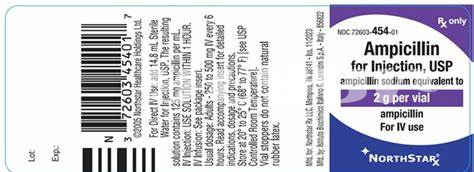
In young patients, evolving renal clearance dramatically shapes ampicillin exposure; neonates and infants often need prolonged dosing intervals because glomerular filtration matures over weeks. Estimating renal function with age-appropriate creatinine norms and gestational history helps avoid accumulation and toxicity, enabling timely adjustments while preserving efficacy.
Adjust doses based on calculated GFR or creatinine clearance, lengthening intervals or reducing mg/kg per dose as needed. Monitor urine output and renal labs during therapy, especially in sepsis or dehydration. Collaborate with pharmacy for neonates or complex cases to balance safety and antimicrobial stewardship.
Safety Profile Common Adverse Effects Versus Serious
A brief, reassuring voice describes how common ampicillin effects like mild diarrhea or rash are usually transient, guiding caregivers while emphasizing vigilant monitoring for red flags indicating escalation or evaluation.
Simple table summarizes typical versus rare severe reactions:
| Common | Serious |
|---|---|
| Nausea, Rash | Anaphylaxis, Seizures |
Rare but serious toxicities, including hepatic dysfunction or neurotoxicity in high doses, require prompt discontinuation, supportive care, and specialist consultation; documentation and safe allergy labeling matter for future care planning
Practical Prescribing Tips and Stewardship Strategies
When I prescribe for a child, I prioritize clear indication, correct weight-based dosing, and narrow-spectrum choice. Start with targeted therapy when culture data allow, convert IV to oral promptly, and limit duration to the evidence-based minimum. Always confirm allergy history and adjust for renal function to reduce harm.
Stewardship means educating caregivers about adherence, avoiding unnecessary broad-spectrum agents, and documenting indication and stop date. Review local susceptibility patterns, obtain cultures before therapy, and reassess therapy at 48–72 hours to narrow or stop antibiotics. Communicate plans clearly to families. PubChem MedlinePlus